Furniture Trends for 2027: What Is Coming Next for Your Home
Furniture in 2027 gets softer, warmer and more personal: curved and sculptural shapes, richer colour, tactile natural materials, and pieces built to last and to adapt. Here is what to expect, and how to bring each idea home without replacing everything you own.
1. Sculptural and curved shapes
The biggest change in 2027 is how furniture looks. Designers expect rounded sofas, curved end tables and curved-back armchairs to replace hard, angular lines. Statement pieces, often in burl or figured wood, borrow architectural forms such as plinths and stepped profiles, and sculptural tables are set to become the centrepiece of the living room.
Seating is also getting lower and deeper. Low sofas, chaise lounges, daybeds and platform beds are taking over from stiff, formal silhouettes.
Try it: Choose one sculptural piece, such as a coffee table or an accent chair, and place it where it is seen from an angle as people enter. Check your walkways first, because deep, oversized seating can crowd a room.
2. Personal, collected rooms
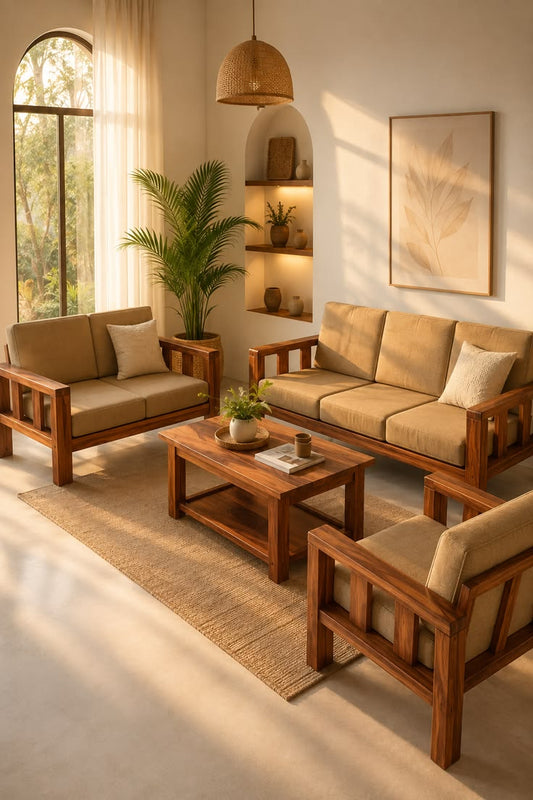
Matching sets are on the way out. Designers want rooms built from pieces with their own character, whether new, vintage or inherited. Nightstands no longer need to match, and a sofa can sit between two chairs that share only a seat height. A room bought all at once tends to look like a showroom, not a home.
The risk is a room that feels random. The simple fix is one repeating element, such as a single wood tone or metal finish, that ties different pieces together.
Try it: Keep your main sofa, then add one piece that matches it in wood tone or scale, not in style.
3. Warmer, richer colour
The 2027 colour forecasts point the same way. WGSN and Coloro named Luminous Blue, a saturated sapphire, their colour of the year, and Pantone's home and interiors forecast is built around colour that engages touch, mood and memory as much as sight.
For furniture, that means moving away from cool, grey-leaning minimalism toward warmer and deeper tones such as burgundy, oxblood and aubergine. Designers also like tonal schemes, where furniture and décor share several shades of one colour for a cocooning effect.
Try it: Keep walls and floors calm and neutral, then let one upholstered piece, such as an armchair or ottoman, carry a deeper colour.
4. Touch and natural materials
Texture is now a design tool, not a finishing touch. Expect linen, wood, stone, cork and woven fibres chosen for their hand-finished imperfection, and raw finishes where wood keeps its grain and stone stays carved and rugged.
Designers also like contrast. Pairing rough with polished, such as a glossy lacquer beside unfilled stone, makes both look better. Stone is expected on coffee tables, kitchen islands and sculptural pieces.
Try it: Test furniture by hand before buying. Look for visible grain, soft washed upholstery, and one stone or glossy surface to set against them.
5. Flexible, multifunctional pieces
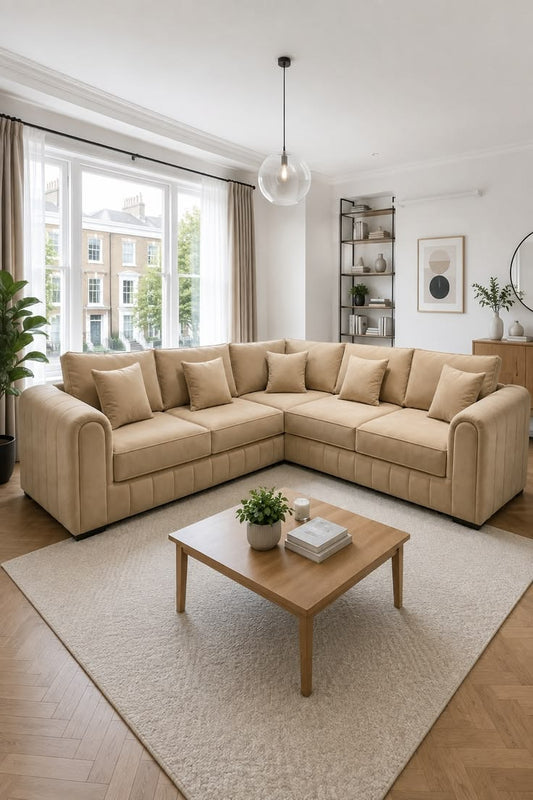
Homes are being asked to do more, so furniture has to adapt. Think modular seating that can be separated and recombined, extending tables with hidden mechanisms, and sliding panels that close off a corner. For smaller spaces, storage benches and expanding coffee tables do double duty.
This matters especially in urban apartments, where layouts vary widely and modular, made-to-fit solutions work best. Some designers also expect dedicated screen-free corners, such as a games table or a reading nook, to get proper furniture instead of leftovers.
Try it: Before buying, ask what a piece does besides its main job. A bench with storage or a table that extends earns its floor space.
6. Craft, durability and sustainability
Handmade pieces with visible variation now carry a premium, and small-batch production is making one-off designs more affordable. Sustainability is also moving from trend to expectation, with buyers choosing durable furniture, reclaimed timber and locally crafted pieces over disposable décor.
The common thread is longevity: materials that age well and develop a patina, and designs meant to be repaired, not replaced.
Try it: Spend more on what you use daily, like the sofa, bed and dining table, and save on accents. Ask where the wood comes from and whether the piece can be repaired.
7. What is on its way out
Many designers expect cool, blue-toned grey and stark minimalism to fade. Also fading are all-white kitchens, fully matched furniture sets and visible outlets and vents.
Pieces bought for a single season and default bouclé are losing favour too. Forecasts differ on "quiet luxury": plain beige-on-beige is tiring, but durable, well-made heirloom pieces are still in demand. The difference is between plain beige and genuine craft.
Tags: